Discover the art of growing indoor plants. From choosing the right species to mastering watering, lighting, and propagation — everything you need to create a lush, thriving home garden.
From low-maintenance succulents to dramatic tropical foliage — find the perfect plant for your space and lifestyle.
Everything you need to know to keep your plants healthy, vibrant, and thriving year-round.
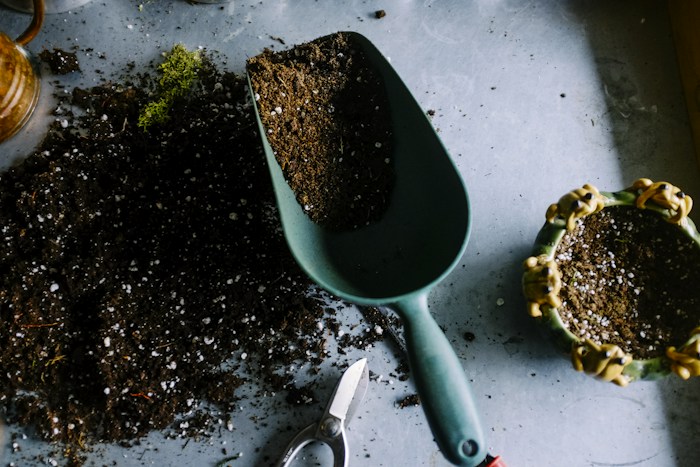
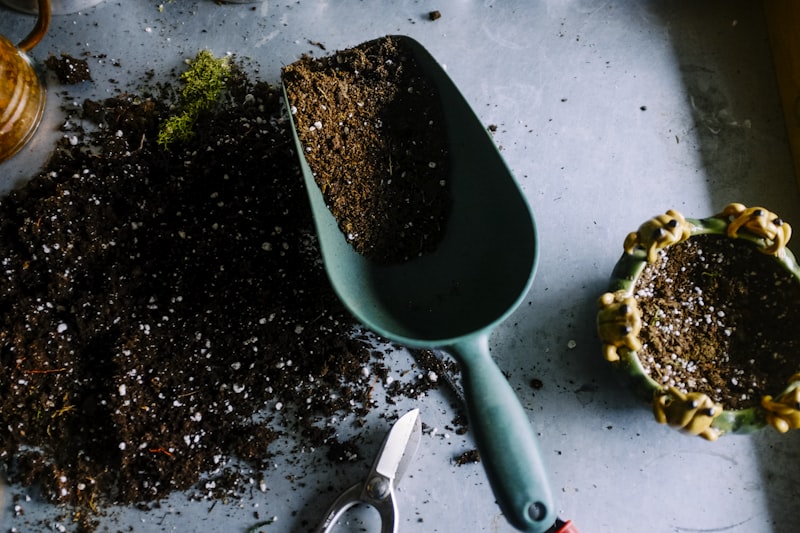
The right growing medium is the foundation of plant health. Different plants need different soil compositions — from gritty cactus mixes to moisture-retaining tropical blends.
Plants need nutrients to grow strong and produce lush foliage. Feed them during the growing season (spring through summer) and reduce or stop in winter when growth slows.
As plants grow, they outgrow their containers. Repotting gives roots more room to expand and refreshes the soil with new nutrients. Look for roots escaping drainage holes as a sign.
Indoor plants follow natural seasonal rhythms even inside your home. Adjusting your care routine with the seasons keeps plants healthy and prevents common issues like root rot in winter.
Most tropical houseplants thrive at 18–26°C and prefer humidity levels of 40–60%. Central heating in winter dramatically dries indoor air, which can stress moisture-loving plants.
Plants communicate their needs through their leaves. Yellowing, browning, drooping, or spots are all signals that something needs to change. Learning to read these signs is key to plant care.
Overwatering is the number one killer of houseplants. The golden rule: water deeply, then let the soil dry out appropriately between waterings. The frequency depends on the plant species, pot size, season, and your home environment.
Always check the soil before watering — push your finger 2–3 cm into the soil. If it feels moist, wait. If it's dry, it's time to water. Use room-temperature, settled water whenever possible.
Insert your finger 2–3 cm into the soil. Water only when the top layer feels dry to the touch.
Pour water slowly and evenly until it drains from the bottom holes. This ensures the entire root zone is moistened.
Remove excess water from the saucer after 30 minutes to prevent root rot from standing water.
Water more frequently in summer, less in winter. Most plants need 50–70% less water during their dormant period.
Understanding light levels in your home is the first step to choosing the right plants for each spot. Here's how to read your space.
South or west-facing windows with unobstructed sun for 4–6+ hours. Intense and warm.
Near a window but shielded from direct rays. Bright but diffused — the sweet spot for most tropicals.
A few metres from a window, or a north-facing window. Moderate light for several hours a day.
Rooms with small windows or far from natural light sources. Very few plants truly thrive here.
Hold a piece of white paper in your plant's spot at midday. A sharp shadow = bright light. A soft shadow = medium light. No shadow = low light. You can also use a free lux meter app on your phone for precise readings.
Even the most attentive plant parent will encounter pests at some point. Early detection and swift action are your best defences. Inspect your plants weekly, especially the undersides of leaves.
Tiny red or brown dots on leaf undersides. Look for fine webbing. Treat with neem oil or insecticidal soap spray.
Small flies hovering around soil. Larvae damage roots. Let soil dry out between waterings and use sticky traps.
White cottony clusters in leaf joints. Remove with alcohol-soaked cotton swab and follow up with neem oil.
Brown bumps on stems and leaves. Scrape off manually, then treat with horticultural oil or systemic insecticide.
Caused by overwatering. Symptoms: yellowing, wilting despite wet soil. Remove affected roots and repot in fresh dry mix.
White powdery coating on leaves. Improve air circulation and treat with diluted baking soda or fungicide spray.
Propagation is one of the most rewarding aspects of plant care. Turn one plant into many using these simple methods.
Cut a healthy stem 10–15 cm below a node. Remove lower leaves, let the cut callous for an hour, then place in water or moist soil. Roots appear in 2–4 weeks.
Ideal for succulents and snake plants. Gently twist off a healthy leaf, let it dry for a day, then lay on cactus soil. New rosettes emerge from the base in 4–8 weeks.
When repotting, carefully separate the root ball into two or more sections. Each division should have roots and foliage. Pot separately and water well. Best for peace lilies and ferns.
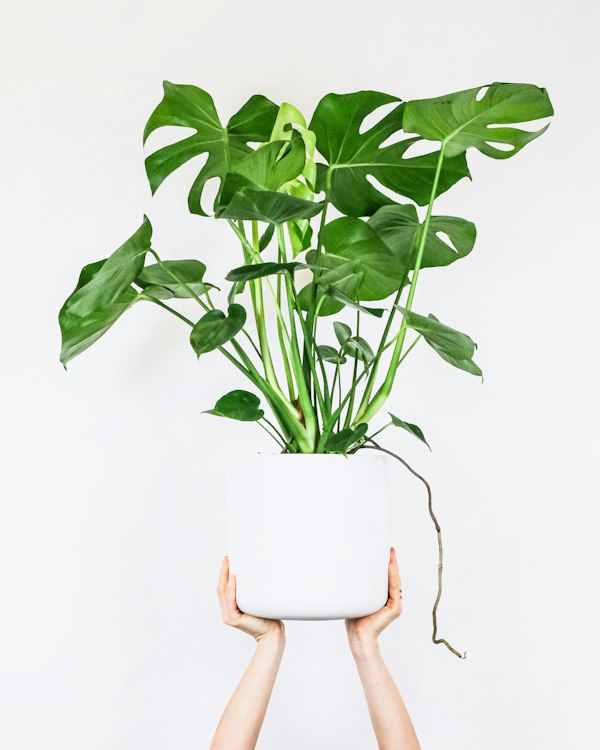
For larger plants like Monstera or Fiddle Leaf Fig. Wound a stem, wrap with moist sphagnum moss, cover with plastic wrap. Roots form in 4–8 weeks before cutting.
Spring and early summer are ideal — plants are in active growth mode, which means faster rooting and higher success rates. Avoid propagating in winter when growth is slow.
Many popular houseplants are toxic to pets. Here are beautiful, non-toxic options you can enjoy worry-free.
The right plant in the right room transforms your living space. Here's how to style each area of your home with greenery.
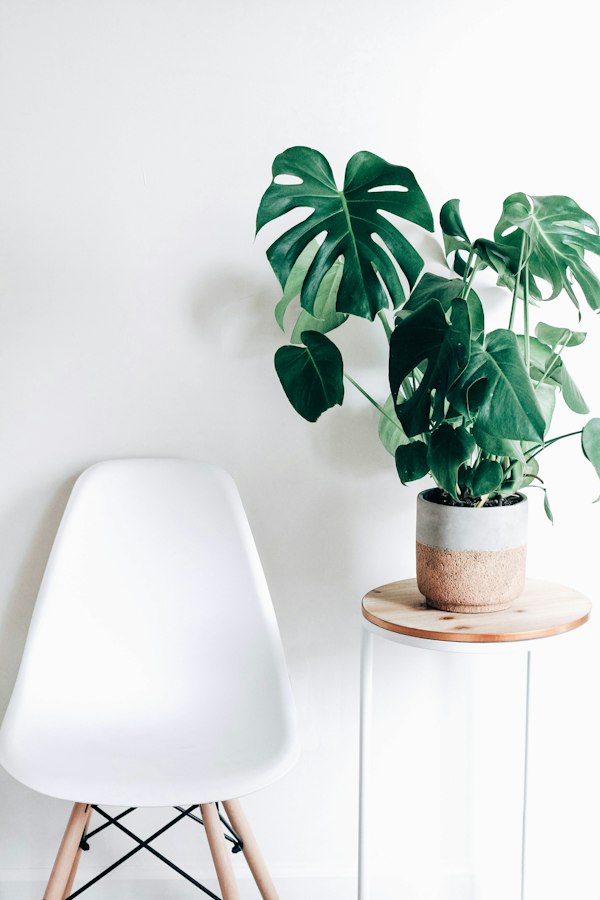
The living room is your showpiece. Go bold with large architectural plants that command attention, or create a layered jungle corner mixing heights and textures.
Choose plants that produce oxygen at night or have calming properties. Keep it minimal — one or two well-chosen plants create a serene, restful atmosphere.
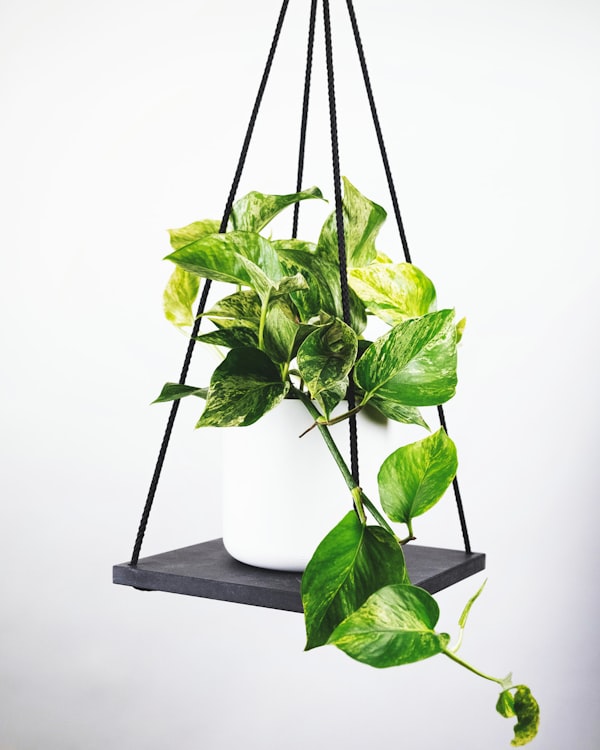
Bathrooms offer high humidity and often low light — perfect conditions for tropical plants that struggle elsewhere in the home. Hang them or place on shelves.
Kitchens are great for herbs on the windowsill and trailing plants on top of cabinets. The combination of warmth and humidity suits many species.
Studies show plants in workspaces boost focus and reduce stress by up to 37%. Choose low-maintenance plants that won't distract you with demanding care needs.
Outdoor spaces allow for sun-loving plants that would scorch indoors. Use vertical planters to maximise small balconies and create a private green sanctuary.
One large, dramatic plant as a focal point — replacing traditional art or furniture pieces.
Handmade ceramic and terracotta pots complement the organic, earthy aesthetic of modern interiors.
Integrating plants into architecture — living walls, moss panels, and built-in planters in shelving.
Embracing imperfection — asymmetric arrangements, aged pots, and plants with character over perfection.
Expert tips, seasonal guides, and stories from the world of indoor gardening.
Overwatering kills more houseplants than any other cause. Learn to read your plant's signals and develop a watering routine that works for your home environment.
No bright windows? No problem. These 10 species thrive in the shadiest corners of your home.
From jungle living rooms to minimalist single-plant statements — this year's biggest trends.
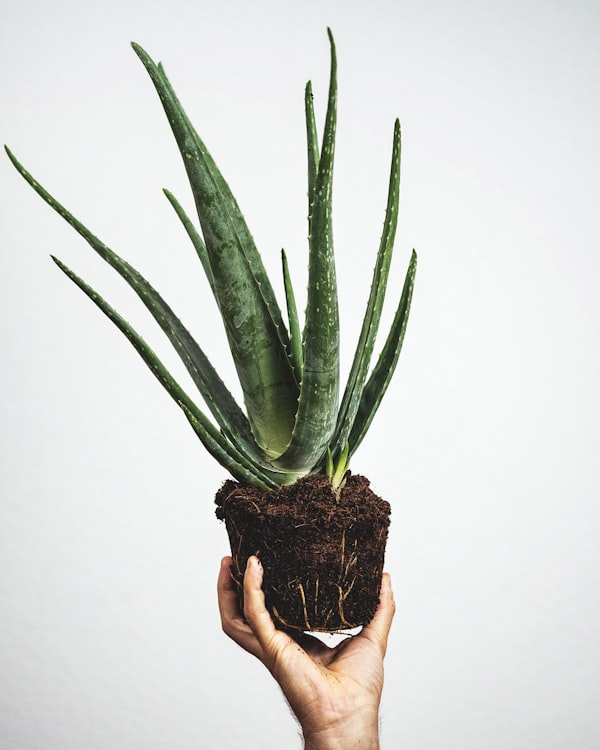
Medicinal, beautiful, and nearly indestructible — here's everything you need to know about growing aloe.
One of the easiest propagations you can do — watch roots form in just two weeks with this method.
GreenHome was founded in 2019 by a small team of botanists, interior designers, and plant enthusiasts who believed that everyone deserves to live surrounded by greenery — regardless of their experience level or living space.
Our mission is simple: make plant care accessible, enjoyable, and sustainable. We create expert-verified guides, curate plant recommendations for every lifestyle, and build a community where beginners and experts can learn from each other.
All guides reviewed by professional horticulturists.
12,000+ growers sharing tips and experiences.
Promoting organic, eco-friendly plant care practices.
Regularly updated content based on latest research.
Have a question about a specific plant? Need personalised care advice? Or just want to say hello? We'd love to hear from you. Our team of plant experts responds within 24 hours.